PE PP Sheet Extruder Machine,PA POM Sheet Extruder Machine,PVDF PEEK Sheet Extruder Machine,Hard PVC Transparent Sheet Extruder Machine,Soft PVC Transparent Sheet Extruder Machine,ABS Board Extruder Machine,PE PP Board Extruder Machine,PVC Sheet Extruder Machine,PS Sheet Extruder Machine,TPU Sheet Extrusion Machine,PVC Board Extruder Machine,Biodegradable Sheet Machine
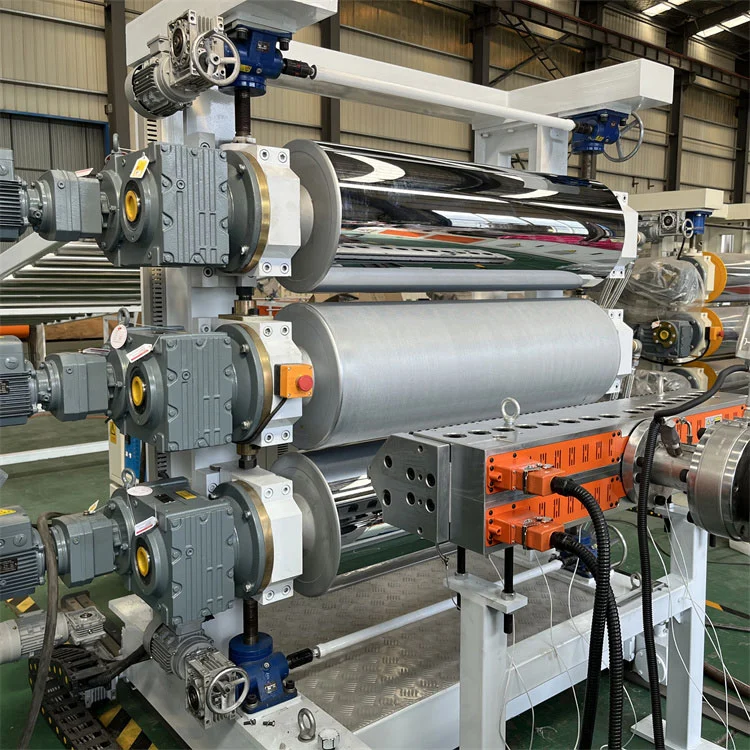
Welcome to the future of sustainable livestock management with the revolutionary PVC Livestock Board Equipment from Qingdao Eaststar Plastic Machinery Co., Ltd.!
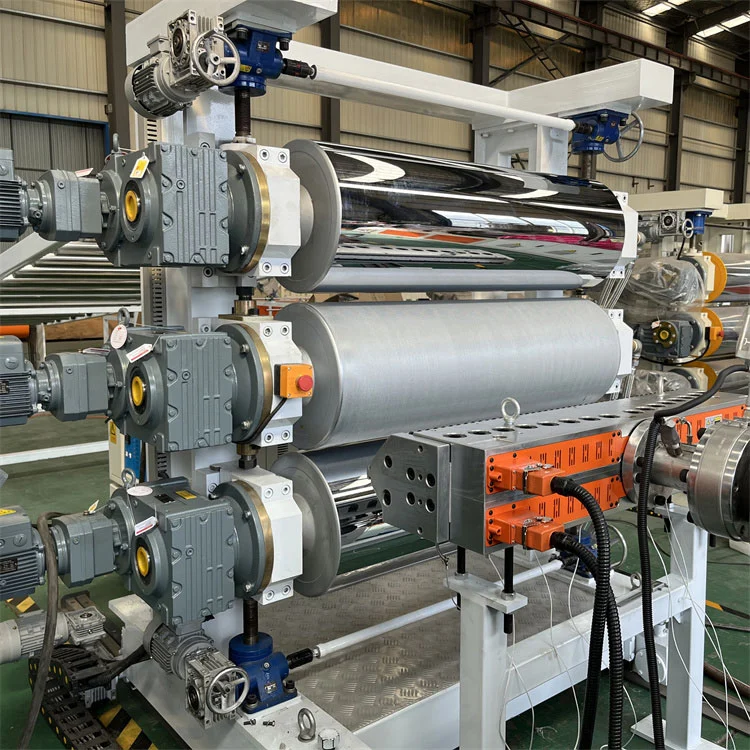
In the demanding world of modern agriculture, finding durable, safe, and cost-effective materials for animal housing can be challenging. The PVC Livestock Board Equipment addresses these challenges head-on, offering a versatile solution designed specifically for agricultural applications. This equipment produces high-quality PVC boards that serve as excellent alternatives to traditional wood, metal, or concrete barriers. These boards are ideal for constructing pens, partitions, feeding troughs, and shelter walls in various livestock environments including cattle farms, poultry houses, piggeries, and equestrian facilities.
Unlike conventional materials that deteriorate quickly under harsh conditions, our PVC boards maintain their structural integrity through years of exposure to moisture, temperature fluctuations, and physical impact. The non-porous surface prevents bacterial growth and makes cleaning effortless, contributing to healthier living conditions for animals while reducing maintenance time and costs for farmers.
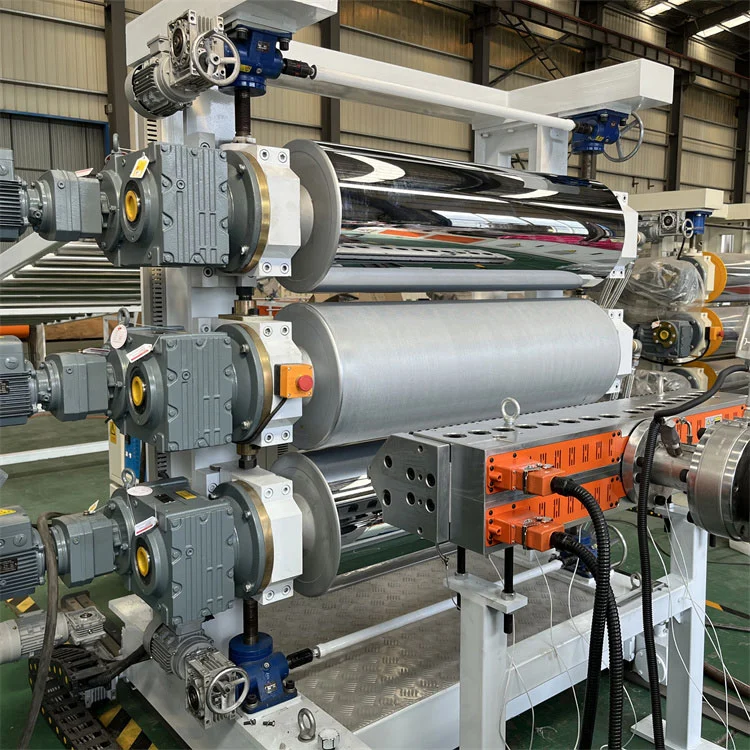
The exceptional quality of our PVC Livestock Board Equipment begins with premium raw materials and advanced manufacturing technology. Each board produced features UV stabilization to prevent fading and degradation from sun exposure, ensuring long-lasting performance even in outdoor applications. The material's inherent flexibility allows it to withstand impact without cracking or splintering, eliminating the safety hazards associated with traditional materials.
Our proprietary extrusion process creates boards with uniform density and consistent dimensions, providing reliable performance batch after batch. The smooth surface resists staining and doesn't require painting or sealing, maintaining its professional appearance with minimal upkeep. Additionally, the lightweight nature of PVC boards makes installation significantly easier compared to heavier alternatives, reducing labor requirements and installation time.
Farmers often struggle with materials that can't withstand the rigorous demands of livestock environments. Traditional wood rots, metal rusts, and concrete cracks under constant exposure to moisture, waste, and animal activity. Our PVC Livestock Board Equipment provides the perfect solution with materials specifically engineered for agricultural challenges.
| Parameter | Specification | Benefit |
|---|---|---|
| Material Composition | High-grade PVC with UV stabilizers | Weather resistance and longevity |
| Board Thickness | 15mm, 20mm, 25mm options | Versatility for different applications |
| Standard Width | 1220mm | Optimal coverage and installation efficiency |
| Length Options | 2440mm, 3000mm, custom lengths available | Flexibility for various project requirements |
| Weight | Approximately 1.4-2.3 kg/m² depending on thickness | Easy handling and reduced structural load |
| Temperature Resistance | -30°C to 60°C | Suitable for diverse climate conditions |
| Fire Rating | Self-extinguishing | Enhanced safety in agricultural settings |
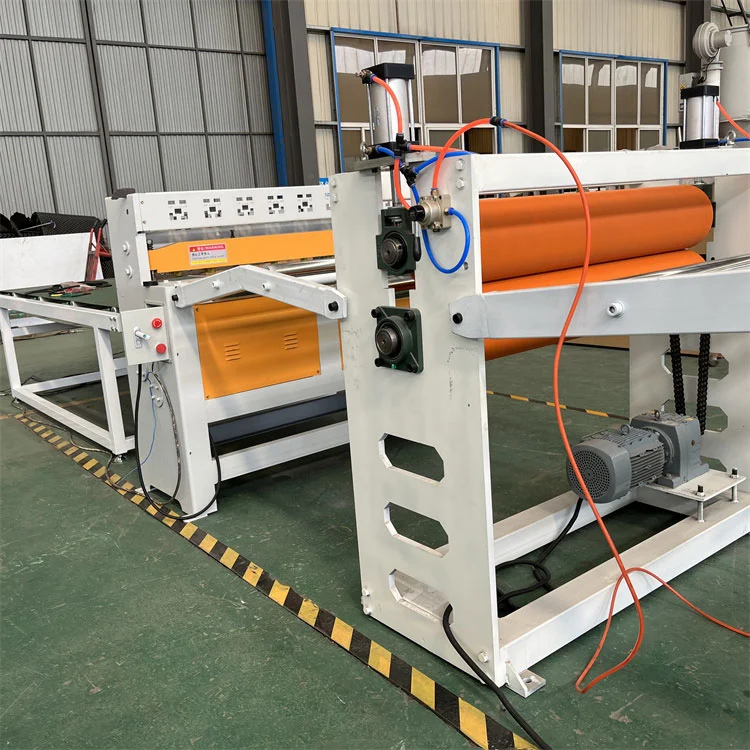
The precision engineering behind our equipment ensures consistent board quality with tight tolerances, enabling seamless installation and professional results every time. The manufacturing process incorporates advanced cooling systems that prevent warping and ensure dimensional stability, crucial for creating durable livestock structures.
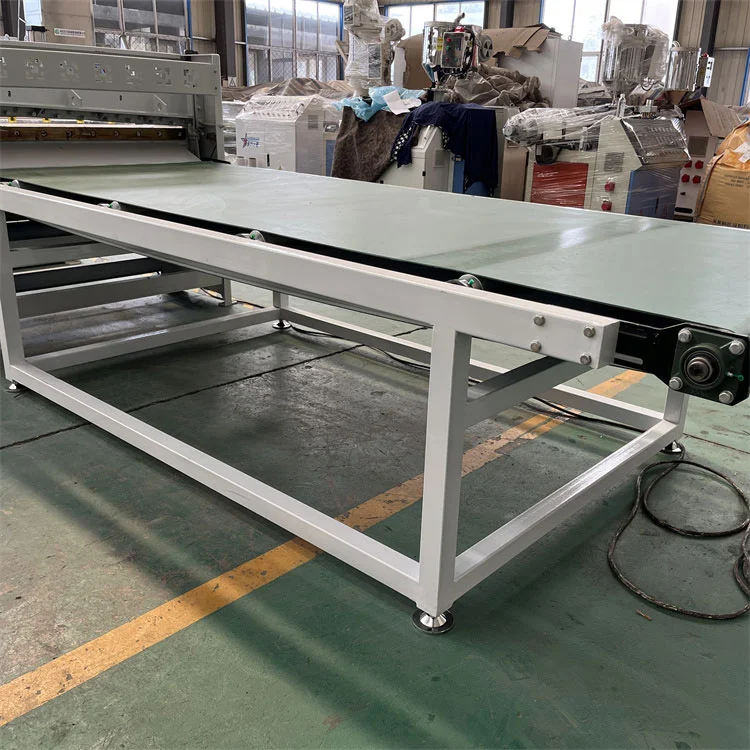
This innovative equipment serves a wide range of users within the agricultural sector. Large-scale commercial farms benefit from the durability and low maintenance requirements, while smaller family-owned operations appreciate the cost-effectiveness and ease of installation. Veterinary facilities, animal rescue centers, and research institutions value the hygienic properties and animal-friendly characteristics.
Common applications include:
The versatility extends beyond traditional livestock to include zoo enclosures, pet breeding facilities, and agricultural exhibition spaces. The aesthetic appeal of the clean, white surface enhances the overall appearance of any agricultural operation, projecting professionalism and attention to animal welfare.
Imagine starting your day without worrying about repairing broken boards or treating mold-infected surfaces. Farmers who have integrated PVC boards into their operations report significant reductions in maintenance time and costs. The peace of mind that comes from knowing your animal housing will withstand years of use without deterioration allows farmers to focus on what matters most – animal health and productivity.
The emotional benefit extends beyond practical considerations. Seeing animals thrive in clean, safe environments brings genuine satisfaction. The reduction in veterinary issues related to unsanitary conditions means healthier livestock and improved profitability. The psychological burden of constant repairs and replacements lifts, replaced by confidence in infrastructure that supports rather than hinders agricultural success.
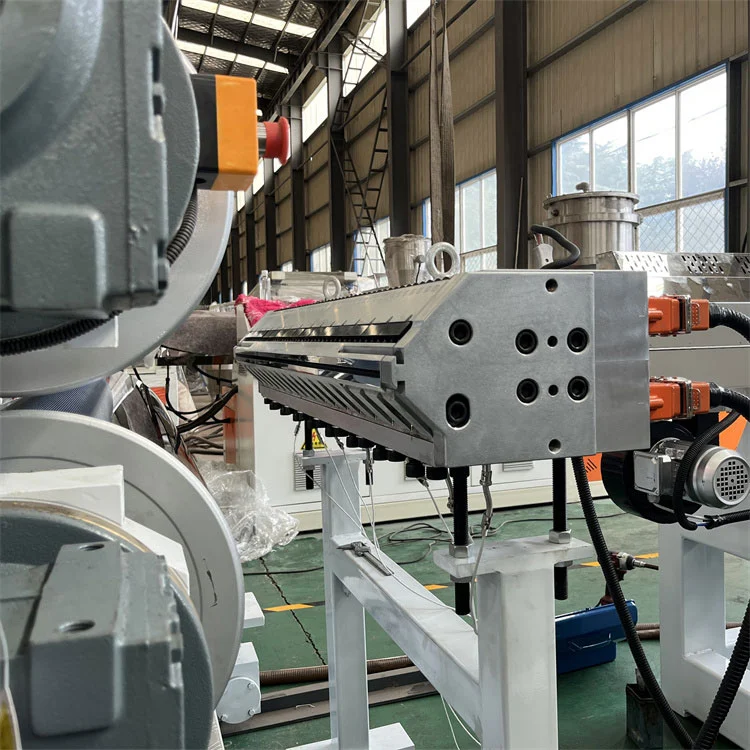
While other manufacturers offer similar products, the PVC Livestock Board Equipment from Qingdao Eaststar Plastic Machinery Co., Ltd. distinguishes itself through several key advantages. Our proprietary formulation includes additional impact modifiers that provide superior resistance to livestock bumps and kicks. The unique surface treatment creates a slightly textured finish that prevents animal slipping while maintaining easy cleanability.
Unlike competitors who often use recycled materials of inconsistent quality, we insist on virgin PVC compounds with precisely controlled additives. This commitment to quality control ensures every board meets our rigorous standards for strength, durability, and appearance. Our equipment incorporates advanced digital control systems that monitor every aspect of the extrusion process, guaranteeing consistent results that manual operations cannot match.
The comprehensive technical support and after-sales service further differentiate our offering. We provide detailed installation guidance, maintenance recommendations, and responsive customer service to ensure our clients achieve optimal results with their investment.
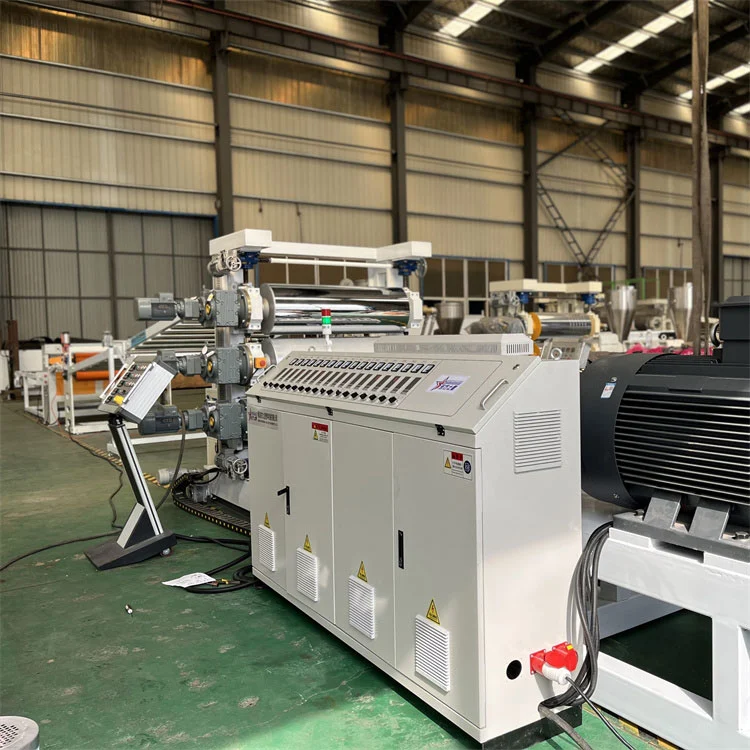
How does PVC compare to traditional wood in terms of longevity?
PVC boards significantly outperform wood in agricultural environments. While wood typically requires replacement every 2-5 years due to rot, insect damage, or physical deterioration, properly installed PVC boards can last 15-20 years with minimal maintenance. The material doesn't absorb moisture, preventing the structural weakening and microbial growth that plague wooden structures in humid livestock settings.
Are these boards safe for animals?
Absolutely. Our PVC formulation meets international standards for agricultural materials and contains no heavy metals or harmful plasticizers. The smooth surface prevents injury from splinters or sharp edges, and the material's natural resistance to microbial growth supports healthier living conditions. Regular cleaning with common agricultural disinfectants maintains hygiene without damaging the material.
Can the boards withstand extreme temperatures?
Yes, our specially formulated PVC maintains its structural integrity and impact resistance across a wide temperature range from -30°C to 60°C. The material doesn't become brittle in cold weather or soften excessively in heat, making it suitable for virtually all climate conditions where livestock farming occurs.
How difficult is installation compared to traditional materials?
Installation is significantly easier than with most traditional materials. The lightweight nature reduces physical strain, and the consistent dimensions eliminate time-consuming trimming and fitting. Standard woodworking tools can cut and shape the boards, and they accept screws and fasteners without pre-drilling in most applications. Many farmers report installation time reductions of 30-50% compared to wood.
What about fire safety?
Our PVC formulation includes fire-retardant additives that make the boards self-extinguishing. While no plastic material is completely fireproof, our boards will not sustain combustion once the ignition source is removed, providing an important safety advantage in agricultural settings where heat sources and electrical equipment are present.
Can the boards be recycled at end of life?
Yes, PVC is fully recyclable, and many regions have established recycling programs for PVC agricultural materials. The long service life means replacement happens infrequently, but when the time comes, the material can be reprocessed into new products rather than ending up in landfills, supporting sustainable agricultural practices.
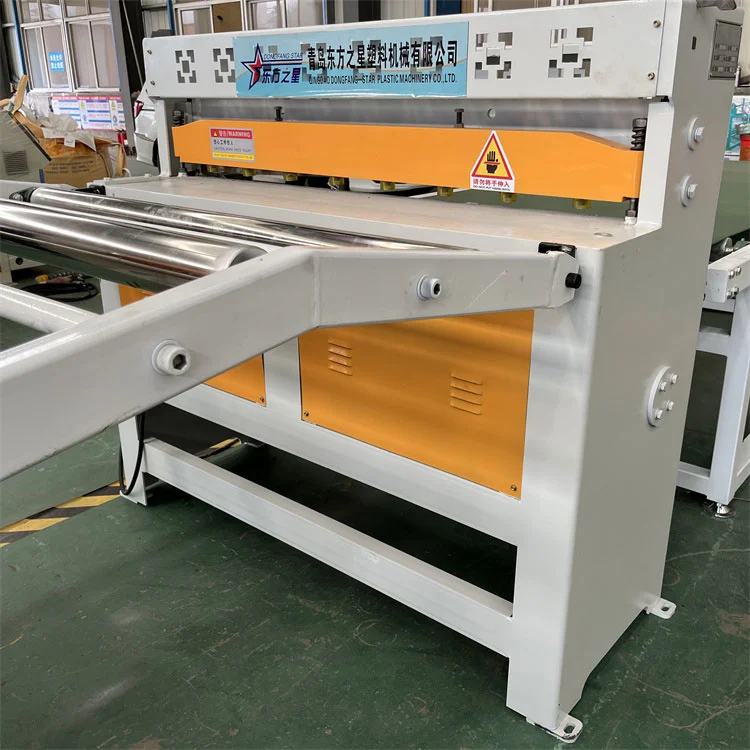
The manufacturing expertise of Qingdao Eaststar Plastic Machinery Co., Ltd. brings decades of plastic extrusion experience to the agricultural sector. Our continuous research and development program ensures that the PVC Livestock Board Equipment incorporates the latest technological advancements while maintaining the reliability that farmers depend on. Each machine undergoes rigorous testing before shipment, and our global network of technical support stands ready to assist with installation, operation, and maintenance questions.
Beyond the physical product, we offer comprehensive guidance on optimizing production parameters for specific applications. Whether producing boards for dairy operations requiring frequent washdowns or for poultry facilities needing impact resistance, our technical team provides customized recommendations to achieve ideal results. The modular design of our equipment allows for future upgrades as technology evolves, protecting your investment long-term.
The economic benefits extend beyond the initial purchase through reduced operational costs and extended service life. Farmers who have transitioned to PVC boards consistently report lower annual maintenance expenses, reduced labor requirements for cleaning and repairs, and improved animal health outcomes that contribute to overall profitability. The initial investment quickly justifies itself through these ongoing savings and performance improvements.
Agricultural professionals worldwide are recognizing the advantages of modern materials in traditional farming applications. The shift toward PVC represents not just a material substitution but a fundamental improvement in how we house and care for livestock. By choosing equipment from Qingdao Eaststar Plastic Machinery Co., Ltd., you're investing in technology that supports animal welfare, operational efficiency, and environmental sustainability simultaneously.
Exploring the full potential of this equipment reveals applications beyond initial expectations. Creative farmers have utilized the boards for everything from mobile feeding stations to temporary isolation areas during disease outbreaks. The material's versatility encourages innovation in farm layout and management practices, demonstrating how the right infrastructure can transform operational approaches.
The global agricultural community faces increasing pressure to improve efficiency while maintaining high standards of animal welfare and environmental responsibility. Solutions like the PVC Livestock Board Equipment address these competing demands effectively, providing durable infrastructure that supports sustainable farming practices. As regulations tighten and consumer expectations rise, forward-thinking agricultural operations increasingly turn to advanced materials that deliver on multiple performance metrics simultaneously.
Selection criteria for agricultural materials have evolved beyond simple cost considerations to include lifecycle analysis, environmental impact, and animal welfare implications. Our PVC boards excel across all these dimensions, offering a balanced solution that doesn't require compromise between competing priorities. The growing adoption across diverse agricultural sectors validates this comprehensive approach to material selection.
Technical innovations continue to enhance the capabilities of PVC applications in agriculture. Recent developments include formulations with enhanced UV resistance for tropical applications, antimicrobial additives for high-hygiene environments, and color options that help regulate temperature in different climates. The equipment from Qingdao Eaststar Plastic Machinery Co., Ltd. accommodates these material advancements, ensuring farmers can benefit from ongoing industry progress.
Successful implementation requires understanding both the material properties and the specific requirements of different livestock species. Our technical documentation includes species-specific recommendations regarding board thickness, installation methods, and maintenance protocols. This targeted guidance helps farmers optimize their use of the material for particular applications, maximizing the return on their investment.
The relationship with our clients extends beyond the equipment purchase through ongoing support and knowledge sharing. We maintain detailed records of production parameters for different applications worldwide, creating a valuable knowledge base that benefits all our customers. This collaborative approach to problem-solving distinguishes our company in the agricultural machinery sector.
Economic analysis consistently demonstrates the financial advantages of transitioning to modern materials like PVC for livestock housing. While the initial investment may exceed traditional options, the reduced maintenance, longer service life, and improved operational outcomes typically deliver a complete return on investment within 2-3 years. Subsequent years generate pure savings, making the economic argument increasingly compelling as operational scale increases.
Environmental considerations continue to gain importance in agricultural decision-making. The durability and recyclability of PVC present significant environmental advantages over traditional materials that require frequent replacement and often end up in landfills. The manufacturing process itself has become increasingly efficient, with modern extrusion equipment consuming less energy and generating minimal waste compared to earlier generations of technology.
Future developments in agricultural materials will likely build upon the foundation established by PVC applications. The success of synthetic materials in challenging environments demonstrates their potential to address evolving agricultural needs. As farming practices continue to modernize, infrastructure materials must keep pace with changing requirements regarding efficiency, sustainability, and animal welfare.
The comprehensive nature of our solution addresses not just the immediate need for durable housing materials but the broader challenges facing modern agriculture. By reducing maintenance requirements, the equipment frees up labor for more productive tasks. By creating healthier environments, it supports better animal outcomes. By lasting longer, it reduces material consumption and waste. These interconnected benefits create a compelling case for adoption across the agricultural spectrum.
Specific installation techniques maximize the performance advantages of PVC boards in livestock applications. Proper fastening methods account for thermal expansion while maintaining structural integrity. Strategic placement considers animal behavior patterns to minimize unnecessary contact and wear. Thoughtful layout planning leverages the material's properties to create functional spaces that support efficient operations.
Maintenance protocols for PVC structures differ significantly from traditional materials. The non-porous surface requires different cleaning approaches than absorbent materials like wood. Understanding these differences ensures optimal performance and longevity. Our technical support team provides detailed guidance on cleaning agents, methods, and frequencies for various applications.
The visual impact of clean, white PVC structures shouldn't be underestimated in modern agricultural operations. Beyond functional benefits, the professional appearance projects competence and attention to detail that can be important for operations hosting visitors, participating in quality assurance programs, or marketing directly to consumers. The material maintains its appearance with minimal effort, unlike wood that requires regular painting or treatment.
Integration with existing structures presents no significant challenges due to the material's compatibility with common construction methods and fasteners. Farmers can phase in PVC components gradually as replacement needs arise, spreading the investment over time while immediately benefiting from improved performance in upgraded areas. This flexibility makes adoption practical for operations of all sizes and financial situations.
Customization options allow farmers to tailor boards to specific requirements. Beyond standard sizes and thicknesses, special formulations address unique challenges such as extreme weather conditions, particularly aggressive animal species, or specialized cleaning protocols. This adaptability ensures the solution remains relevant as farming practices evolve and new challenges emerge.
The knowledge transfer component of our service ensures customers understand not just how to operate the equipment but why specific parameters produce optimal results. This deeper understanding empowers farmers to troubleshoot minor issues independently and make informed adjustments as conditions change. This educational approach builds long-term capability beyond the immediate equipment functionality.
Global applications demonstrate the versatility of PVC boards across diverse agricultural systems. From Scandinavian dairy farms dealing with extreme cold to Australian cattle stations facing intense sun exposure, the material performs reliably under challenging conditions. This worldwide validation provides confidence that the solution will perform as expected in local environments.
Industry partnerships enhance the value proposition through complementary products and services. Relationships with fastener manufacturers, installation tool providers, and cleaning chemical companies create integrated solutions that address broader operational needs. These collaborations ensure farmers access everything required for successful implementation in one coordinated package.
The continuous improvement philosophy at Qingdao Eaststar Plastic Machinery Co., Ltd. means today's equipment represents the latest evolution in a long line of technological advancements. Customer feedback directly influences design modifications and feature additions, creating products that increasingly reflect real-world agricultural requirements. This responsive approach to product development maintains our position at the forefront of agricultural extrusion technology.
Training resources accompany every equipment purchase, ensuring operational teams understand both basic functions and advanced features. Video tutorials, detailed manuals, and direct access to technical specialists create multiple learning pathways suitable for different preferences and experience levels. This comprehensive support structure maximizes equipment utilization and satisfaction.
Performance monitoring capabilities built into modern extrusion equipment provide valuable data for optimizing production parameters. Tracking key metrics over time helps identify trends, prevent issues before they affect quality, and fine-tune operations for maximum efficiency. This data-driven approach represents the future of agricultural manufacturing, moving beyond traditional manual control methods.
Supply chain considerations ensure consistent access to high-quality raw materials regardless of market fluctuations. Long-term relationships with material suppliers and strategic inventory management protect production continuity, providing reliability that farmers depend on for their operations. This supply chain resilience becomes increasingly valuable in times of market uncertainty.
The relationship between material properties and animal behavior informs design decisions at fundamental levels. Understanding how different species interact with enclosure materials helps optimize characteristics like surface texture, impact resistance, and thermal properties. This animal-centric design philosophy produces solutions that work with natural behaviors rather than against them.
Regulatory compliance forms another important consideration in material selection. Our PVC formulation meets international standards for agricultural applications, including restrictions on heavy metals and regulated substances. Documentation supporting compliance simplifies certification processes for operations participating in quality assurance programs or exporting to regulated markets.
Lifecycle assessment methodology provides objective data comparing environmental impacts across material options. When considering extraction, manufacturing, transportation, installation, maintenance, and end-of-life scenarios, PVC frequently demonstrates advantages over traditional materials. This holistic evaluation methodology supports informed decision-making aligned with sustainability goals.
The modular design philosophy extends beyond the equipment itself to accessory systems and optional features. Farmers can start with basic functionality and add capabilities as needs evolve or budgets allow. This scalable approach makes advanced technology accessible to operations at different stages of development and with varying resource levels.
Remote monitoring capabilities represent the latest advancement in extrusion technology, allowing technical specialists to diagnose issues and optimize performance without onsite visits. This capability reduces downtime and ensures consistent quality regardless of geographic distance between the equipment and support resources. The digital transformation of agricultural manufacturing continues to deliver practical benefits for farmers worldwide.
Success stories from diverse agricultural operations provide compelling evidence of the equipment's capabilities across different scales, species, and geographic locations. These real-world examples help prospective users visualize applications within their own operations and anticipate potential benefits. The consistency of positive outcomes across varied conditions reinforces the solution's robustness and versatility.
Financial planning tools help farmers model the economic impact of transitioning to PVC-based infrastructure. By projecting maintenance savings, labor reductions, and productivity improvements against initial investment, these tools support informed decision-making and financing arrangements. The clear financial benefits frequently surprise farmers accustomed to traditional material lifecycles and maintenance requirements.
The intersection of agricultural tradition and technological innovation creates exciting opportunities for improvement without sacrificing practical wisdom gained through generations of farming experience. Solutions that respect this balance between old and new find ready acceptance in the agricultural community. Our approach honors traditional farming knowledge while introducing modern materials that address longstanding challenges more effectively.